
What players say
Gelatinous Tile Merger stands out for its focus on relaxed strategy. The core loop of matching identical tiles to create new ones is easy to learn, but the board management requires real foresight. I appreciate the lack of timers, which allows for thoughtful play. The visual design is clean and pleasant, with new tile types appearing at a good pace to keep things interesting. It is a solid choice for puzzle fans looking for a low-pressure challenge.
About this game
Core Matching Concept
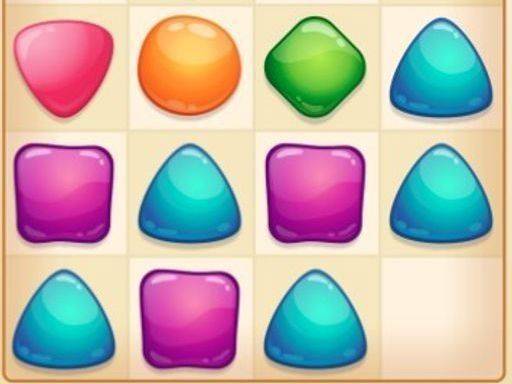
At its heart, this game revolves around identifying and pairing identical gelatinous tiles. Each successful match removes the two original tiles and places a new, more complex tile on the board. This simple action creates a chain of possibilities, as the new tile may then match with others of its kind. The challenge lies in managing the board space while working toward the final tile that fills the last open position. Players must think several moves ahead, similar to planning a sequence in a logic puzzle.
Board Management & Strategy
The playing field starts with a set of tiles, each displaying a distinct color or pattern. As matches are made, the board gradually fills with new tiles. Running out of empty spaces ends the round, so efficient placement is critical. Strategic players focus on merging tiles that are close together to keep the layout organized. Creating higher-tier tiles early can free up room, as they often match with fewer partners. The game rewards patience and foresight rather than speed.
Visual Design & Atmosphere
The tiles are designed with soft, rounded shapes and a translucent quality, giving them a gel-like appearance. Colors shift from pastel tones to more vivid hues as players progress, adding visual interest without being distracting. The background remains calm and uncluttered, helping players focus on the puzzle. Sound effects are minimal, with gentle tones that confirm matches without breaking concentration. This design choice supports a meditative gameplay loop suitable for unwinding after a busy day.
Progression & Variety
As players continue matching, they encounter new tile types that were not present at the start. These additions introduce fresh patterns and matching requirements, preventing the experience from becoming repetitive. The difficulty curve is gradual, allowing newcomers to learn the basics before facing more complex boards. There is no set endpoint; each session offers a new arrangement of tiles, encouraging repeated play. This structure keeps the game accessible for short breaks while offering depth for longer sessions.










Player Comments
Sign in to comment
You must be logged in before posting a review or rating.
No account? Create one
No comments yet. Be the first to comment!